

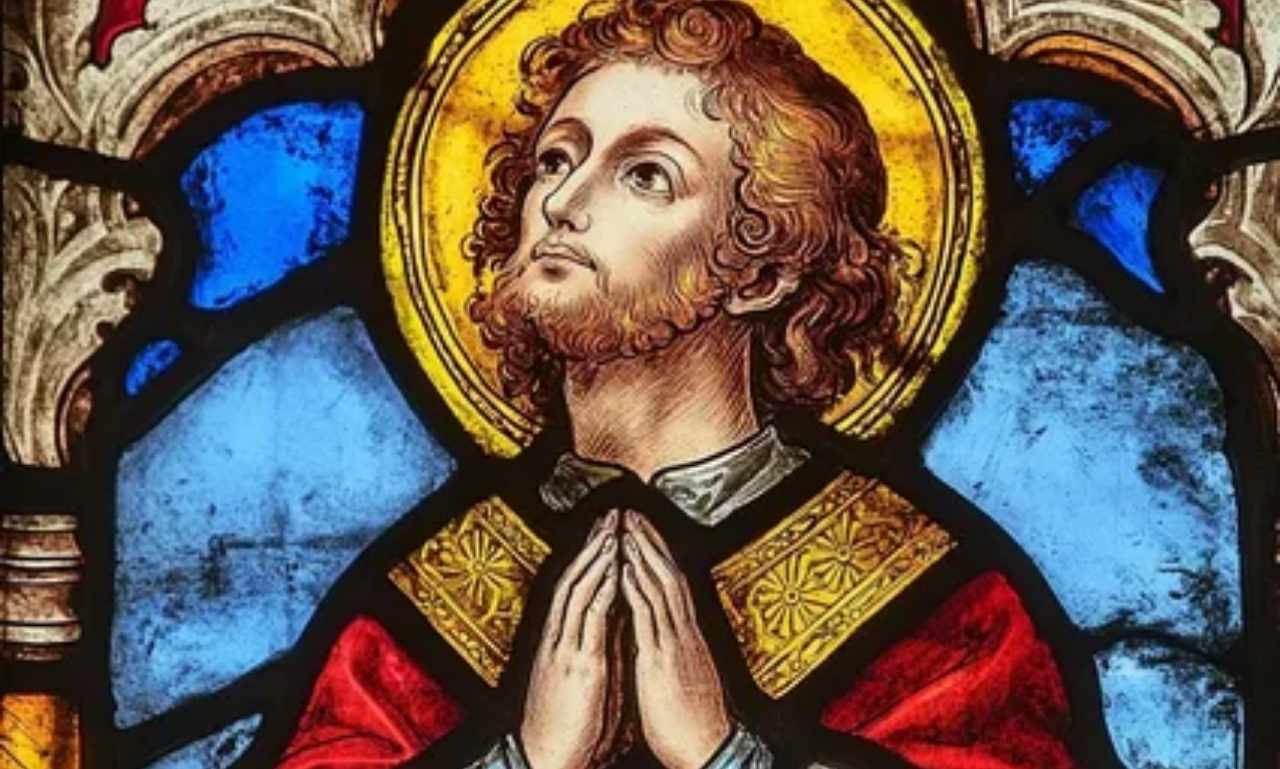
The Confiteor Prayer (Old Version) is one of the oldest and most cherished prayers in the Catholic Church. It is a traditional prayer of repentance in which Catholics openly confess their sins, ask Almighty God for forgiveness, and seek the prayers of the Blessed Virgin Mary, Saint Michael the Archangel, Saint John the Baptist, Saints Peter and Paul, and all the saints. The word “Confiteor” comes from Latin and means “I confess,” reflecting the prayer’s central message of humility, repentance, and trust in God’s mercy.
For centuries, the Confiteor was an important part of the Traditional Latin Mass, where it was prayed before the celebration of the Eucharist during the Prayers at the Foot of the Altar. The prayer encourages believers to examine their conscience, acknowledge their sins in thought, word, deed, and omission, and prepare their hearts to worship God with sincerity. Although it is not a substitute for the Sacrament of Reconciliation, it helps Catholics approach Mass with a spirit of repentance and gratitude.
After the Second Vatican Council, the Roman Catholic liturgy was revised, and the Confiteor used in most churches today was slightly updated. However, the Confiteor Prayer (Old Version) remains an approved and treasured prayer in the Extraordinary Form of the Roman Rite and is still prayed by many Catholics worldwide. Its timeless words remind believers that God’s mercy is always available to those who sincerely turn to Him.
In this complete guide, you’ll learn everything about the Confiteor Prayer (Old Version), including its history, meaning, biblical foundation, spiritual significance, and differences between the old and modern versions.
What Is the Confiteor Prayer (Old Version)?
The Confiteor Prayer (Old Version) is a traditional Catholic prayer of repentance that expresses sorrow for sin while asking for God’s mercy and the intercession of the Blessed Virgin Mary, Saint Michael the Archangel, Saint John the Baptist, Saints Peter and Paul, and all the saints.
The word “Confiteor” comes from Latin and simply means “I confess.” From its opening words, the prayer encourages believers to acknowledge their sins honestly before Almighty God. Rather than focusing solely on guilt, it directs the heart toward hope by emphasizing God’s willingness to forgive those who sincerely repent.
For centuries, the Confiteor prepared Catholics to participate more fully in the Holy Mass. Even today, many believers continue to pray it privately as part of their daily devotions because it encourages humility, self-examination, and trust in God’s grace.
Quick Facts About the Confiteor Prayer
| Feature | Details |
| Prayer Name | Confiteor (“I Confess”) |
| Religious Tradition | Roman Catholic |
| Original Language | Latin |
| Primary Purpose | Prayer of repentance and confession |
| Traditional Use | Before Mass in the Traditional Latin Mass |
| Main Theme | Humility, repentance, forgiveness, and mercy |
| Still Used Today? | Yes, especially in the Extraordinary Form and private devotion |
Why is the Confiteor Prayer Important?
The Confiteor has remained an essential prayer because it addresses one of the most fundamental aspects of the Christian life: recognizing our need for God’s mercy. The prayer invites believers to acknowledge this reality honestly rather than hiding from it.
It reminds us that spiritual growth starts with recognizing our dependence on God. This attitude prepares the heart to receive His grace and to participate more fully in the celebration of the Eucharist.
Another important aspect of the prayer is its emphasis on the Communion of Saints. Catholics believe that the faithful on earth and the saints in heaven remain united through Christ. By asking the saints to pray for us, the Confiteor reflects this beautiful expression of Christian fellowship and spiritual support.
Historical Background of the Confiteor Prayer
The origins of the Confiteor can be traced back to the early centuries of Christian worship, although the prayer gradually developed into its familiar form during the Middle Ages. Historians generally agree that early penitential prayers were already part of Western liturgical traditions by the eighth century.
As the Roman Rite evolved, the Confiteor became an important preparation before celebrating the Eucharist. By the eleventh century, forms of prayer were widely used in monasteries and churches across Europe. Over time, the wording became more standardized, reflecting the Church’s desire for consistency in public worship.
The prayer received even greater prominence after the Council of Trent (1545–1563), which reaffirmed many aspects of the Roman liturgy in response to the challenges of the Protestant Reformation. When Pope Saint Pius V promulgated the Roman Missal in 1570, the Confiteor became firmly established within the Traditional Latin Mass.
For nearly four centuries, Catholics throughout the world prayed the same prayer before Mass. Following the Second Vatican Council (1962–1965), the Roman Missal was revised, and the Penitential Act was simplified for the Ordinary Form of the Mass. Nevertheless, the older version of the Confiteor remains in use within the Extraordinary Form and continues to be treasured by many Catholics for its rich spiritual heritage.

Line-by-Line Explanation of the Confiteor Prayer
The beauty of the Confiteor Prayer (Old Version) lies in the rich meaning behind each phrase. Every line teaches an important lesson about repentance, humility, and the Christian life.
“I Confess”
The prayer begins with a personal confession. Instead of blaming circumstances or other people, the believer openly accepts responsibility before God. This honest admission is the first step toward genuine repentance and spiritual healing.
True conversion begins when we stop making excuses and acknowledge our need for God’s grace. By saying “I confess,” Catholics recognize that forgiveness starts with honesty.
“To Almighty God”
The confession is directed first to Almighty God because He alone possesses the authority to forgive sins. While the prayer later asks for the intercession of the saints, it makes clear that God is the source of all mercy and salvation.
Addressing God first also reminds believers that every sin affects their relationship with Him. Repentance, therefore, is not merely about correcting mistakes but about restoring communion with the Creator.
“To Blessed Mary Ever Virgin”
The Blessed Virgin Mary is mentioned because of her unique role in salvation history. Catholics honor her as the mother of Jesus Christ and the perfect example of obedience to God’s will.
Requesting Mary’s prayers expresses confidence in her maternal care for the Church. Her holiness inspires believers to seek greater faithfulness in their own lives.
“To Blessed Michael the Archangel”
Saint Michael symbolizes courage, protection, and victory over evil. Throughout Christian tradition, he has been regarded as the defender of God’s people against the powers of darkness.
His inclusion in the Confiteor reminds believers that repentance involves more than admitting sin—it also requires resisting future temptation through God’s strength.
“To Blessed John the Baptist”
John the Baptist devoted his life to preparing people for the coming of Jesus Christ. His constant call to repentance makes him a fitting figure within the Confiteor.
Mentioning John encourages believers to prepare their own hearts for Christ through sincere conversion and renewed commitment to the Gospel.
Biblical Foundations of the Confiteor Prayer
Although the Confiteor developed within the Church’s liturgical tradition, its themes are deeply rooted in Sacred Scripture.
Confession Brings Forgiveness
The Bible repeatedly teaches that sincere confession opens the heart to God’s mercy.
“If we confess our sins, He is faithful and just and will forgive us our sins and cleanse us from all unrighteousness.” 1 John 1:9
This verse captures the central message of the Confiteor: forgiveness begins with honest repentance.
Humility Is Pleasing to God
Scripture consistently teaches that God welcomes humble hearts.
“God opposes the proud but gives grace to the humble.” James 4:6
The Confiteor reflects this biblical truth by encouraging believers to approach God without pride or excuses.
The Importance of Prayer for One Another
The prayer’s request for the intercession of the saints echoes the biblical call to support one another through prayer.
“Pray for one another, that you may be healed.” James 5:16
This verse reflects the Christian understanding that prayer strengthens the entire community of believers
God’s Mercy Never Ends
Throughout Scripture, God’s mercy is presented as greater than human failure.
Whether through the Psalms, the teachings of Jesus, or the writings of the apostles, the Bible continually reassures believers that sincere repentance is always met with God’s loving compassion.
The Confiteor beautifully summarizes this message by combining honest confession with unwavering confidence in God’s forgiveness.
Timeline of the Confiteor Prayer
Understanding the historical development of the Confiteor helps readers appreciate its enduring significance within Catholic worship.
| Year | Historical Event |
| 8th Century | Early penitential prayers begin appearing in Western Christian worship. |
| 11th Century | Forms of the Confiteor have become widely used in monasteries and churches across Europe. |
| 1545–1563 | The Council of Trent reinforces traditional Catholic liturgy. |
| 1570 | Pope Saint Pius V officially includes the Confiteor in the Roman Missal. |
| 1570–1962 | The old Confiteor remains part of the Traditional Latin Mass throughout the Catholic world. |
| 1962–1965 | The Second Vatican Council initiates liturgical reforms. |
| 1970 | The revised Roman Missal introduces updates to the Penitential Act. |
| Today | The old Confiteor remains in use within the Extraordinary Form and in private Catholic prayer. |
Why Was the Confiteor Prayer Changed?
One of the most frequently asked questions about the Confiteor Prayer (Old Version) concerns the changes introduced after the Second Vatican Council. Many Catholics wonder why the wording and liturgical use of such a well-loved prayer were revised.
The answer lies in the broader liturgical renewal undertaken by the Catholic Church during the 1960s. The Council encouraged active participation in the liturgy and allowed Mass to be celebrated more widely in local languages. As part of these reforms, the Roman Missal was revised to make certain prayers more accessible while preserving their essential theological meaning.
The revised Confiteor remains a prayer of repentance, humility, and trust in God’s mercy. However, it differs from the older version in several ways, including the list of saints mentioned and its place within the Order of Mass. Despite these revisions, the Church has never declared the old Confiteor obsolete or invalid. It continues to be prayed in the Extraordinary Form of the Roman Rite and remains a treasured devotion among many Catholics.
Ultimately, both versions lead believers toward the same spiritual goal: sincere repentance and a deeper relationship with God.

Old vs. New Confiteor Prayer
Although the two versions share the same core message, several notable differences distinguish between them.
| Feature | Old Version | Current Version |
| Liturgical Tradition | Traditional Latin Mass (Extraordinary Form) | Ordinary Form of the Roman Rite |
| Original Language | Latin | Latin with approved vernacular translations |
| Saints Mentioned | Blessed Virgin Mary, Saint Michael, Saint John the Baptist, Saints Peter and Paul, all the Saints | Blessed Virgin Mary, all the Angels and Saints |
| Length | Longer and more detailed | Slightly shorter |
| Main Purpose | Preparation before Mass | Penitential Act during Mass |
| Spiritual Focus | Personal confession and intercession of specific saints | Personal confession and God’s mercy |
Despite these differences, both forms proclaim the same timeless truth: every believer depends completely on God’s mercy and forgiveness.
Common Misunderstandings About the Confiteor
Many people have questions about the purpose and use of the Confiteor. Clearing up these misconceptions helps readers understand the prayer more accurately.
Misconception 1: The Confiteor Replaces Confession
It does not. While the prayer expresses sorrow for sin, it is not a substitute for the Sacrament of Reconciliation, especially when a person is conscious of mortal sin.
Misconception 2: The Old Confiteor Is No Longer Allowed
This is incorrect. The old Confiteor continues to be used in the Extraordinary Form of the Roman Rite and may also be prayed privately by the faithful.
Misconception 3: Latin Makes the Prayer More Powerful
The effectiveness of prayer comes from sincere faith and repentance, not from the language used. Latin carries historical and liturgical significance, but God hears prayers offered from a sincere heart in every language.
Misconception 4: The Prayer Is Only for Priests
The Confiteor is intended for all Catholics. Clergy and laity alike have prayed it for centuries as an expression of humility and trust in God’s mercy.
Misconception 5: The Prayer Focuses Only on Guilt
Although the Confiteor begins with confession, its ultimate purpose is hope. It reminds believers that God’s mercy is greater than every sin and that forgiveness is always possible through sincere repentance.

Frequently Asked Questions
1. What is the Confiteor Prayer (Old Version)?
The Confiteor Prayer (Old Version) is a traditional Catholic prayer of repentance recited before Mass in the Traditional Latin Mass. It expresses sorrow for sin, asks God for mercy, and requests the prayers of the Blessed Virgin Mary, Saint Michael the Archangel, Saint John the Baptist, Saints Peter and Paul, and all the saints.
2. What does the word “Confiteor” mean?
The word Confiteor comes from Latin and means “I confess.” It reflects the prayer’s central purpose of acknowledging personal sins before Almighty God with humility and trust in His forgiveness.
3. Is the old Confiteor still approved by the Catholic Church?
Yes. The old Confiteor remains approved for use in the Extraordinary Form of the Roman Rite (Traditional Latin Mass). Many Catholics also pray it privately as part of their personal devotions.
4. Does the Confiteor Prayer (Old Version)to forgive sins?
The Confiteor is a sincere prayer of repentance that helps prepare the heart for worship. However, it does not replace the Sacrament of Reconciliation, especially when a person has committed mortal sin. Catholics are encouraged to receive sacramental confession when required by Church teaching.
5. Why does the old Confiteor mention specific saints?
The prayer asks the Blessed Virgin Mary, Saint Michael the Archangel, Saint John the Baptist, Saints Peter and Paul, and all the saints to intercede for believers. This reflects the Catholic belief that the saints continue praying for the faithful before God.
6. Why was the Confiteor revised after Vatican II?
The liturgical reforms following the Second Vatican Council simplified certain prayers and allowed broader use of local languages during Mass. Although the wording changed in some places, the central themes of repentance, humility, and God’s mercy remained the same. The Confiteor Prayer (Old Version) is very essential.
7. Can I pray for the Confiteor every day?
Absolutely, Many Catholics include The Confiteor Prayer (Old Version) in their morning or evening prayers because it encourages daily self-examination, repentance, and spiritual growth.
8. Is the Confiteor only praying during Mass?
No. Although it has an important place within the liturgy, it is also widely used in private prayer, before confession, during examinations of conscience, and throughout seasons such as Lent and Advent.
9. Is the Latin version more powerful than the English version?
No. The spiritual value of the prayer comes from sincere faith and repentance rather than the language itself. While Latin holds special significance in the Church’s liturgical tradition, God hears prayers offered from a faithful heart in every language.
10. What makes the old Confiteor different from the current version?
The old Confiteor contains a longer list of saints and was prayed differently within the Traditional Latin Mass. The revised version used in most Catholic churches today is shorter but continues to express the same essential beliefs about repentance and God’s mercy.
11. Why is the Confiteor Prayer (Old Version) still relevant today?
Modern life is filled with distractions, pressures, and temptations. The Confiteor reminds believers to pause, examine their conscience honestly, seek God’s forgiveness, and begin each day with humility and hope. Its timeless message continues to inspire Christians around the world.
12. Can non-Catholics pray the Confiteor Prayer (Old Version)?
Yes. Anyone who wishes to express sorrow for sin and seek God’s mercy may read and reflect on the prayer. However, some parts reflect specifically Catholic beliefs, particularly regarding the Communion of Saints and liturgical tradition.
You must read: Sunday Evening Blessings
